

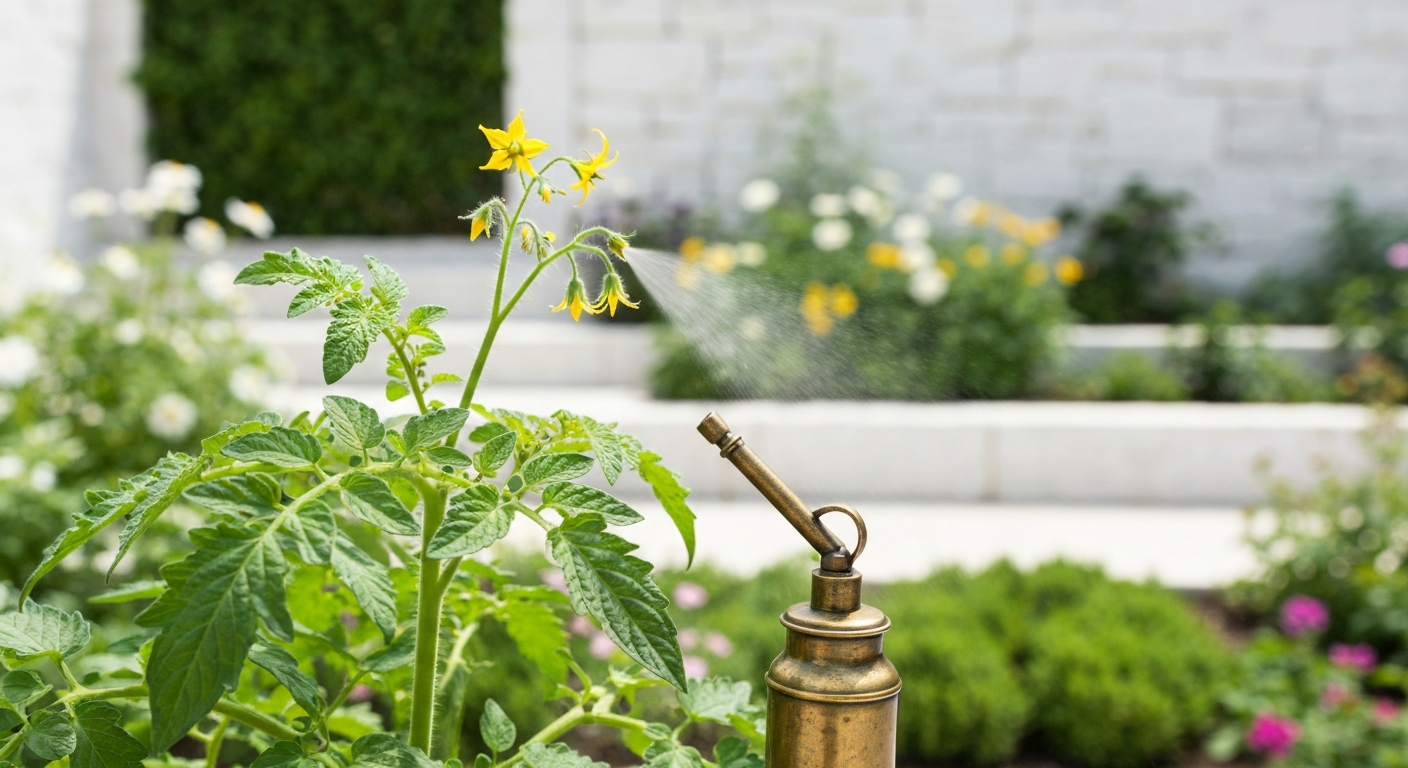
Natural Pest Control
Protect your garden without toxic chemicals. Discover ecological methods, home remedies, and the importance of biodiversity to keep your plants healthy.
The Organic Approach: Prevention over Cure
In conventional agriculture, pests are attacked when they appear. In permaculture and organic gardening, we understand that a pest is a symptom of an imbalance in the ecosystem. A healthy plant in rich soil is rarely severely attacked. Our goal is not to eradicate all insects (we need many of them), but to keep their populations under control.
Common Pests and Ecological Remedies
Aphids
Small green, black, or yellow insects that cluster on tender shoots and suck the plant's sap, weakening it.
- Potassium Soap: Dilute 1 tablespoon in 1 liter of water and spray on the insects at dusk. It softens their exoskeleton.
- Neem Oil: A natural insecticide that interrupts their reproductive cycle. Usually combined with potassium soap.
- Garlic Infusion: Boil crushed garlic cloves, let cool, and spray. Acts as a powerful repellent.
Mealybugs
They look like small white cotton spots on stems and leaves. They secrete honeydew that attracts fungi.
- Alcohol and Cotton: If there are few, clean them manually with a cotton swab dipped in rubbing alcohol.
- Neem Oil + Soap: Constant treatment every 5 days until they disappear.
Fungi (Powdery Mildew & Downy Mildew)
They appear as a white powder or yellowish spots on the leaves, usually due to excess moisture and lack of ventilation.
- Milk and Baking Soda: Mix 1 part skim milk with 9 parts water and 1 teaspoon of baking soda. Spray (the amino acids in milk are fungicidal).
- Horsetail Purin: An excellent preventive rich in silica that strengthens the plant's cell walls.
Companion Planting: Plants that Protect Plants
One of the best strategies in organic gardening is to use aromatic plants and flowers to repel pests or attract their natural predators (like ladybugs and lacewings).
- Basil: Plant it next to tomatoes to repel whiteflies and mosquitoes, as well as improve the flavor of the tomato.
- Calendula and Marigolds: Their roots secrete substances that keep soil nematodes away. They attract pollinators.
- Rosemary and Lavender: Repel aphids and moths, as well as attract beneficial bees to your garden.
- Nasturtium: Acts as a 'trap crop'. It attracts aphids to itself, keeping your main vegetables clean.